Keeping the Pins Flying:
How Four Lifelong Friends Are Saving Bowling in the Pacific Northwest
There was a time when you couldn't drive far in the Seattle area without passing a bowling center. Twenty-five of them dotted the city and its surrounding neighborhoods - neighborhood anchors where families and neighbors spent Friday nights, where leagues ran like clockwork every week night, and where kids spent rainy afternoons with close friends.
Today, few remain.
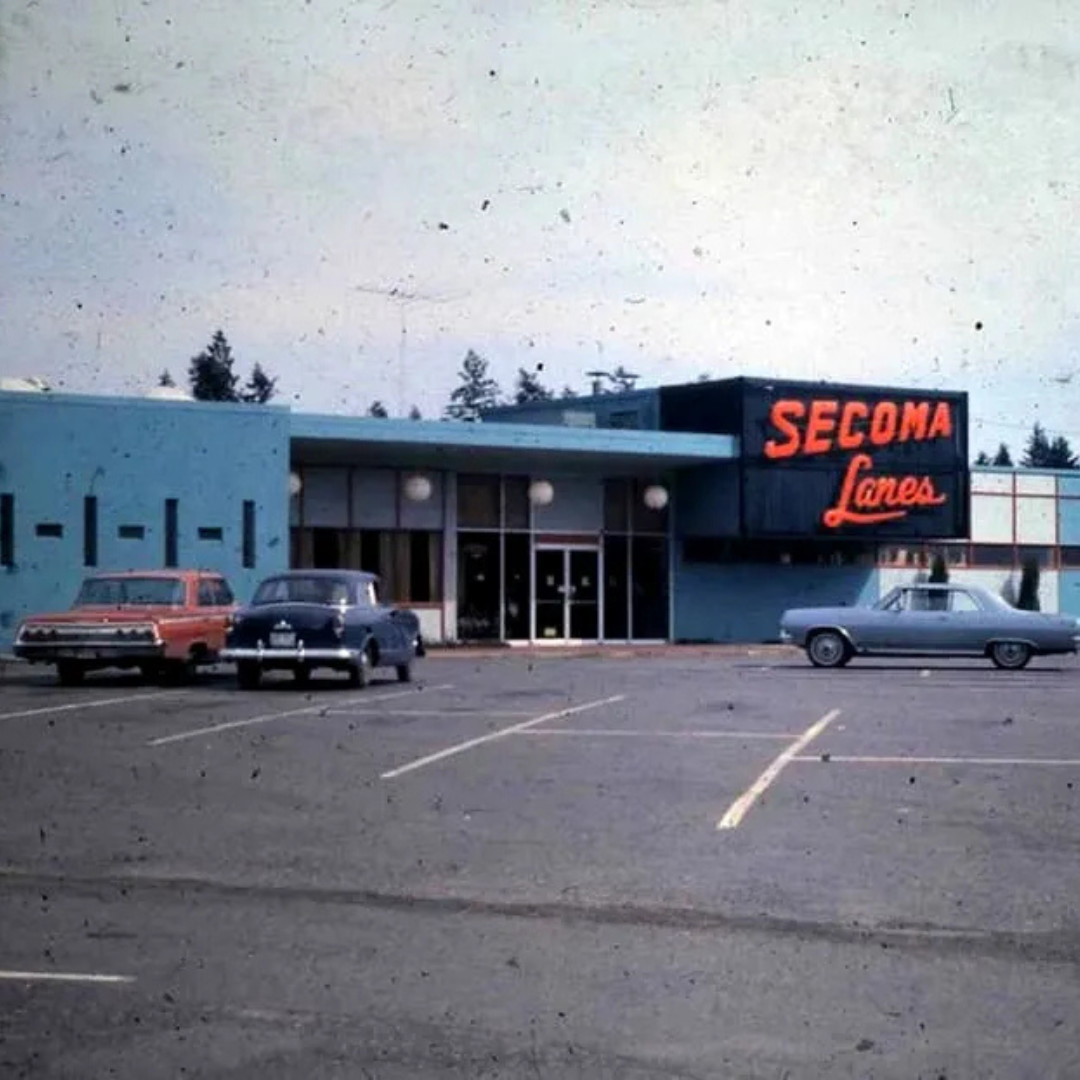
The continued survival and success of West Seattle Bowl and Secoma Lanes is no coincidence. It is the result of decades of dedication, deep roots in the sport, and an ownership group whose story is less a business arrangement than a lifelong brotherhood. Mike Gubsch, Andy Carl, Peter Somoff, and Jeff Swanson didn't just buy Secoma Lanes…they made a promise to the Pacific Northwest that bowling isn't going anywhere.
Where It All Began
To understand what Secoma Lanes means to this group, you have to go back - and the beginning, for most of them, is a long way back.
Mike Gubsch and Andy Carl have known each other since they were 11 years old. Both got their starts in bowling around the same age, drawn in through after-school jobs at local centers. Andy went on to become the youngest General Manager in Sterling Recreation Organization's history at just 23, rebuilding two of their six centers over seven years. Mike built his own track record as an owner and operator, purchasing a Bellingham bowling center in 1989 before a new opportunity pulled his attention south.
That opportunity was West Seattle Bowl, which Mike took over in January of 1993. Andy joined him in 1996. Jeff Swanson - a south end kid who'd worked his first job at 16 at Sportsworld Lanes, came aboard in 1999. Joe Leingang, Jeff's childhood friend, followed shortly after.
The success of the West Seattle Bowl served as a blueprint for the group over the following decades. It proved that a bowling center could thrive for generations as a community-focused, professionally managed institution that truly serves its neighborhood. Rounding out the ownership group is Peter Somoff, a Pacific Northwest Bowling Hall of Fame inductee and one of the most respected figures in the bowling world globally, who currently owns and operates Peter Somoff Pro Shop inside Secoma Lanes.
The Deal That Almost Wasn't
The group had been in negotiations to purchase Secoma Lanes before COVID hit. Then everything stopped.
The pandemic didn't just kill the deal - it nearly killed West Seattle Bowl. Loans came and went. Mike and Andy stopped drawing paychecks. When they finally reopened in August 2020, capacity restrictions meant they couldn't generate enough revenue to pay a full staff. They closed again in November, reopened in February 2021, and worked open to close with a skeleton crew until they could afford to bring people back.
"People were so supportive," Mike recalls. "The community coming in - people were grateful."
Once they were back on their feet, Peter Somoff revived the Secoma conversation. Re-negotiations resumed in 2023. The Martin family, who had built Secoma Lanes, had one condition: they wanted to sell to someone who would keep it a bowling center. For this group, that wasn't a dealbreaker. That was the whole point. Nationally there are many changes in the bowling scene. Bowling centers being demolished for more profitable; Big corporations taking over chains and turning the centers into party bowling only, and centers just staying as they were when built 50 years ago. In my continual conversations with the rest of the partnership, none of us clearly wanted that. We wanted to create a place where people could compete, have fun, eat quality food, and get personal service, a place to call their own. In order to do that you have to have passion, which we have and also respect for the players and proprietors of the past. The Northwest has produced some of the greatest players to every bowl, and we want to pay homage to this. which is why our customers will see images displayed in the center, as well as bowling artifacts, from the area as well. It is all about having passion and a true desire to do the best job you can to provide a personalized experience for all, regardless of skill level or personal expectations.
The negotiations were long but successful. The ownership group closed on Secoma Lanes on December 15, 2025.
What Comes Next
The vision for Secoma is clear: facility improvements, technology upgrades, and a commitment to being what Jeff calls a "second home" for the bowling community. For a group that has spent their entire careers proving that bowling centers can be both profitable and essential, Secoma isn't a gamble - it's a natural extension of everything they've already built.
"A lot of these proprietors, if family members don't want to take over, they just end up selling for the highest and best use," Mike says. "That's not our intent."
It's a mindset that sets this group apart from a typical ownership group. These aren't investors who discovered bowling. They are lifers - people who grew up in the sport, built their careers around it, and watched too many centers disappear from communities that still needed them. Keeping Secoma alive isn't just good business, it's personal.
Andy puts it plainly: "With improvements to the business and technology advancements, Secoma Lanes will be the Bowling Beacon in Washington State."
At Secoma Lanes and West Seattle Bowl, the pins are still flying - and if Mike Gubsch, Andy Carl, Peter Somoff, and Jeff Swanson have anything to say about it, they will be for a long time to come.
Secoma Lanes is located in the south Seattle area. West Seattle Bowl has served the West Seattle community since 1993.